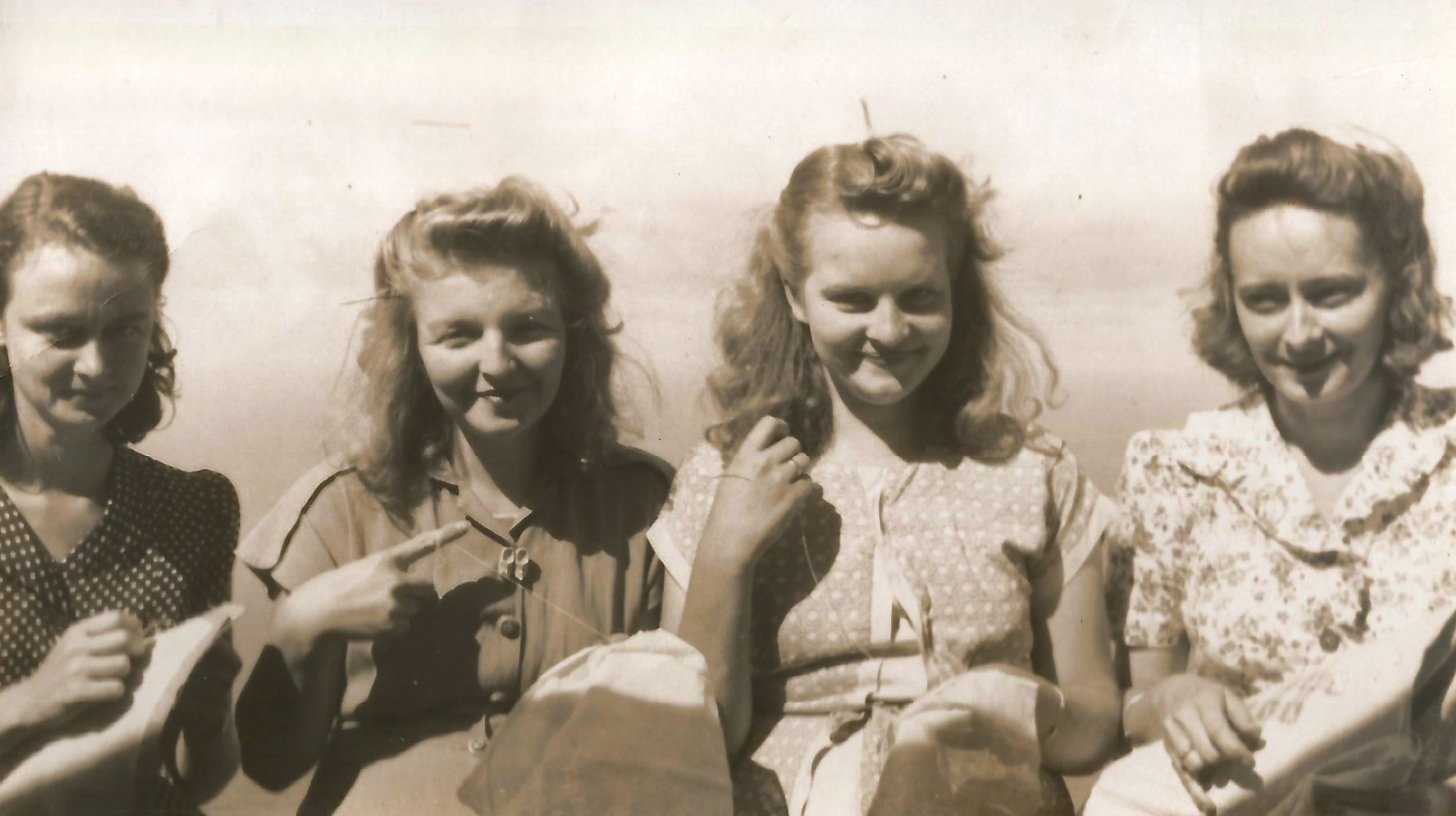
The women of Saba
By Will Johnson
The women of Saba have always played a prominent role in the development of our island. Because the men were seafarers, and fathers, husbands, brothers as well as sons were all at sea, the responsibility of raising the children and taking care of all the needs of the household rested with the women in the family. Sometimes the men in a household were off-island for years at a time. Many men were lost at sea or succumbed to yellow-fever and other diseases in countries spread around the world where their ships took them in search of trade.
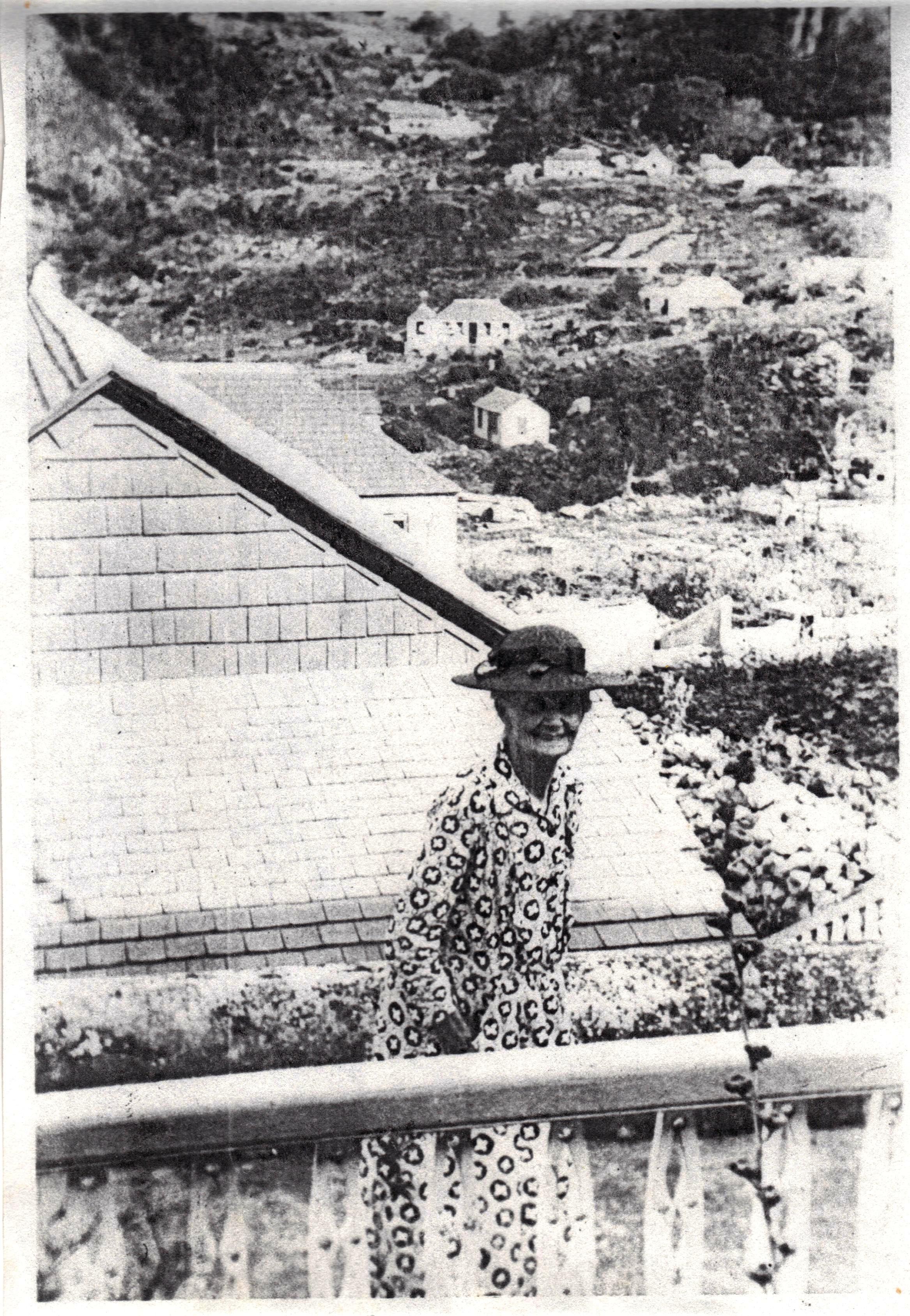

Saba with most of its men folk off to sea became known as the Island of Women. A number of well known magazines in the United States wrote fanciful articles about Saba and its women over a hundred years ago.
A selection of comparative figures for the period 1924 through 1929 illustrates best why the island became known as the “Island of Women.”
The population figures for the following years show how the women outnumbered the men.
YEAR MEN WOMEN
1924 604 1011
1925 611 986
1926 603 999
1927 526 968
1928 509 930
1929 492 916
Individual women who have contributed immensely to Saban society were many. I have already mentioned some of the well known midwives of the past. Among the women who worked hard were Sarah Mardenborough of Windwardside and Marie Elizabeth Johnson of Hell’s Gate, neither with much education, but who taught generations of Sabans to read and write the English language of their ancestors.
Gertrude Johnson born Hassell who in her marriage combined the two largest surnames on Saba is credited with introducing the lacework industry to Saba. This work became known as “Spanish Work” as it was taught to her by nuns on Curacao who in turn had learned it from the many Venezuelan students who at the time came to the convent schools on Curacao to further their education. Many families on Saba survival for a great deal depended on the sale of “Spanish Work” to friends in the United States.
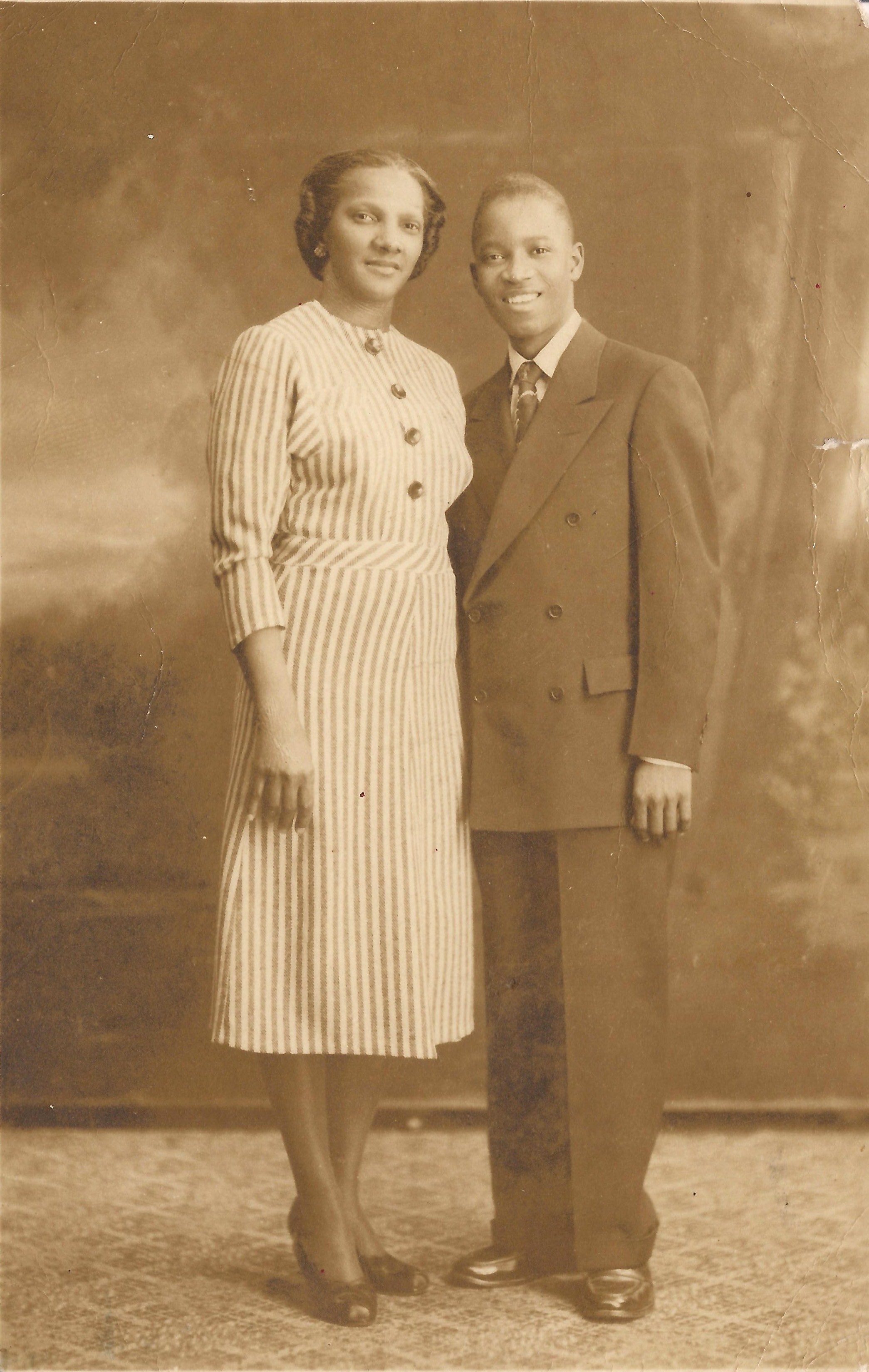
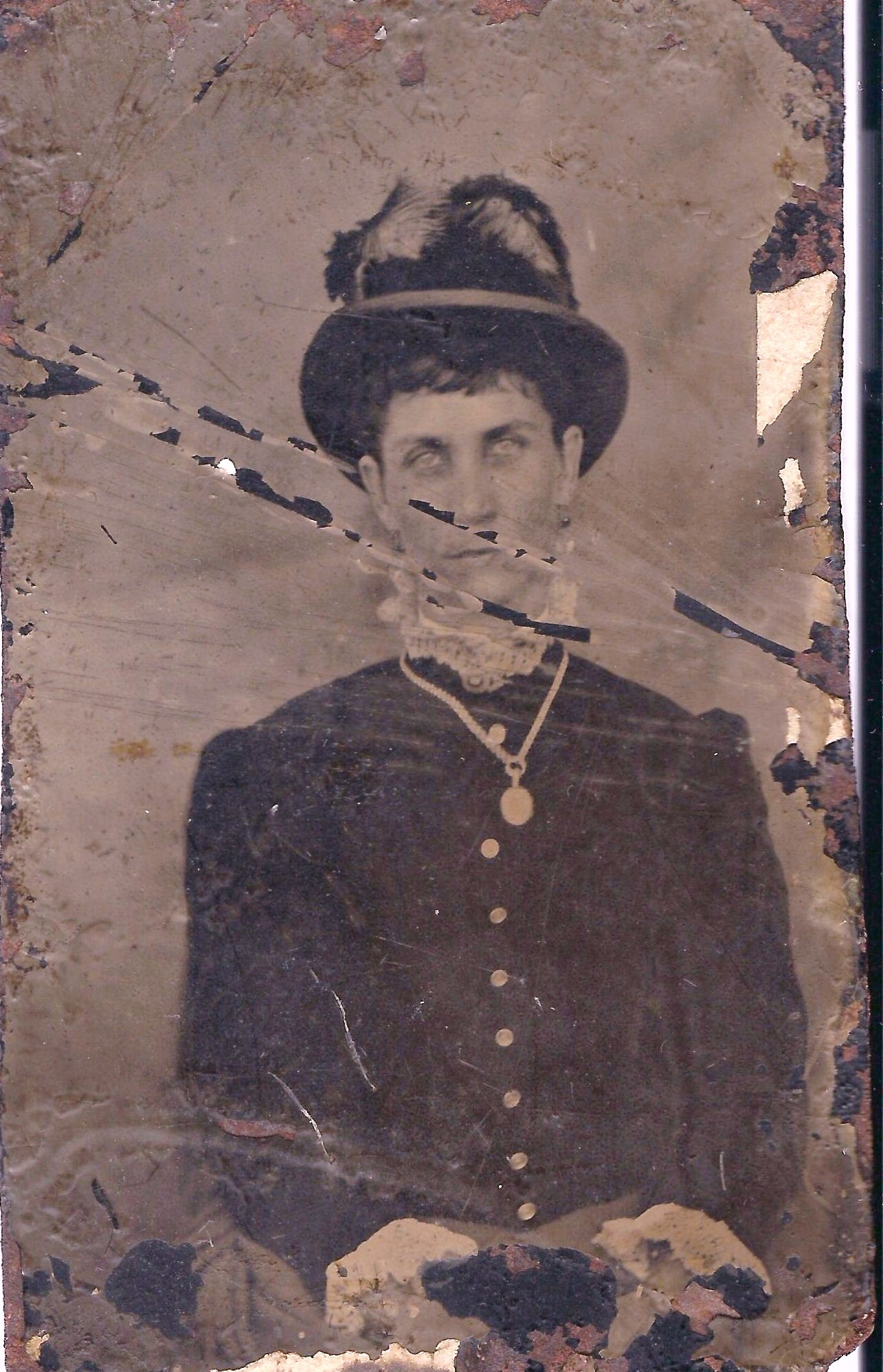
Ann Elizabeth Johnson (Miss Shishi), who died in 1931 at the age of 93 was famous for her bush medicine and the setting of broken bones. Back in the past century when it was not always possible to get a doctor to live on Saba it was the local doctor’s both women and men who served the people
.
Her niece Peter Elenor Hassell was also known for her knowledge of Bush medicines.
Someone asked me recently as to what type of health insurance I had. I told him that my health insurance was just enough to cover the witch doctor and to buy me some bush medicine. That is the insurance my ancestors survived with for over four hundred years on this little rock.

Atthelo Maude Edwards (1901 -1970) with the help of her nephews Elmer and Rufus Linzey introduced the electric lights to Saba. The Saba Electric Company it was called, long before GEBE came along. To honour her, the Saba Island Government named the hospital the “Mrs. A.M. Edwards Medical Center”, in 1980. She lost her life in the O.N.A. airline crash off St.Croix in 1970.

Cornelia R. Jones (Cuthchie) was the first woman in the Windward Islands to become an Island Councilmember of the Island Territory. She served from 1952 to 1954. She also ran both the Guesthouse in The Bottom and later in Windwardside as well.
Irene Taylor born Blyden, pioneered in the establishment of the Wesleyan Holiness Church throughout the West Indies. The Taylor Memorial Wesleyan Holiness Church in Charleston on the island of Nevis, is named in her honour.
In recent years we have had people like Mrs. Carmen Simmons born Nicholson active in all fields of culture, Patsy and Janice Johnson active in their church but also as artists and writers, Mrs. Ruth Smith a volunteer spiritual and community leader and many others.
Throughout Saba’s history women have worked as porters, labourers, field workers, wood cutters and so on, yet they managed to maintain the reputation of being among the fairest maidens in the West Indies. That is why Saban women are married to men from all parts of the world and they are to be found living around the globe.

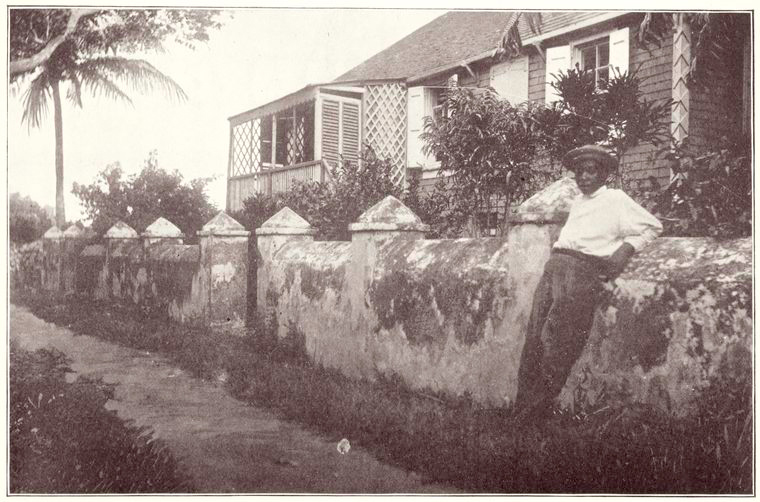
One modern day well known Saban lady living abroad is Mrs. Barbara Kassab born Every, who resides on St. Kitts. Her paintings have represented St. Kitts at Carifesta as well as at international painting exhibitions and she has won several awards for her paintings.
Back here on Saba women continue to play a leading role in the daily life of the Unspoiled Queen. I had the privilege of having a hard working young woman as a Commissoner working along with me for eight years (1999 -2007) namely Ms Lisa Hassell.
I would like to share with my readers two poems written by Island Women.
The poems were written by women who had grown up here where their roots had long been established. An island, which is only a small dot and in isolation at a time when the whole world was backward and communications between peoples was scarce.
Both women had to move elsewhere in search of a better life, and they wrote these poems when they were past midlife.
In my collection of correspondence with the late Charles Borromeo Hodge, Jr., I have a letter from him in praise of the poem by Beatrice Pfaffhauser which appeared in my book “For the Love of St. Martin”. He wanted to contact her. Alas she had passed on many years already.
She was born at The Gap on Saba. Her mother Amy Simmons was married to Albert Pfaffhauser whom she had met on St. Thomas. He was from Switzerland. Beatrice grew up in The Bottom, but after her father died her mother married a white planter from Grenada named Thomas Cecil and the family moved to Barbados. They lived in the house now known as “Sam Lord’s Castle.” They also lived on St. Kitts, Grenada and Trinidad.
Beatrice moved to the U.S.A. and married there. She tried to return to Saba in 1934 but on St. Thomas she received the news that her husband was dying and she returned to the United States. She never saw Saba or any of her beloved Caribbean islands again. Her poem indicates that island people never really get islands out of their blood. Tropical islands especially seem to keep the memories warm.
She was 82 when she wrote this poem some 65 years after she was forced to leave her beloved islands. In the twilight of her years she looks back at her youthful home.
“The skies are gray, my spirits low.
I sit within the firelight glow.
My thoughts go back to other days,
To coral sands and sunlit bays.
Again I see tropic trees
As delight the eye and scent the breeze.
Poinciana, oleander, frangipani, these
And many others my mind’s eye sees.
A banyan is home to a bright macaw,
A monkey sits eating some fruit from his paw.
A land crab scuttles on his way to the cove,
A coconut falls with a thud in the grove.
Ah me! Ah me! That I could go
Where palm fronds clash and trade winds blow,
For these are the things I used to know
So far away and so long ago.
The red-roofed house, by the tall palm tree,
In the long ago, was sweet home to me.
I think of it now as a haven of rest
Where I wish I could go as a bird to its nest.
But the years that are flown have made the dream vain.
I could only return to sorrow and pain.
Beatrice Pfaffhauser loved the islands and she once said: “You never get the tropics out of your blood once you absorb them.”
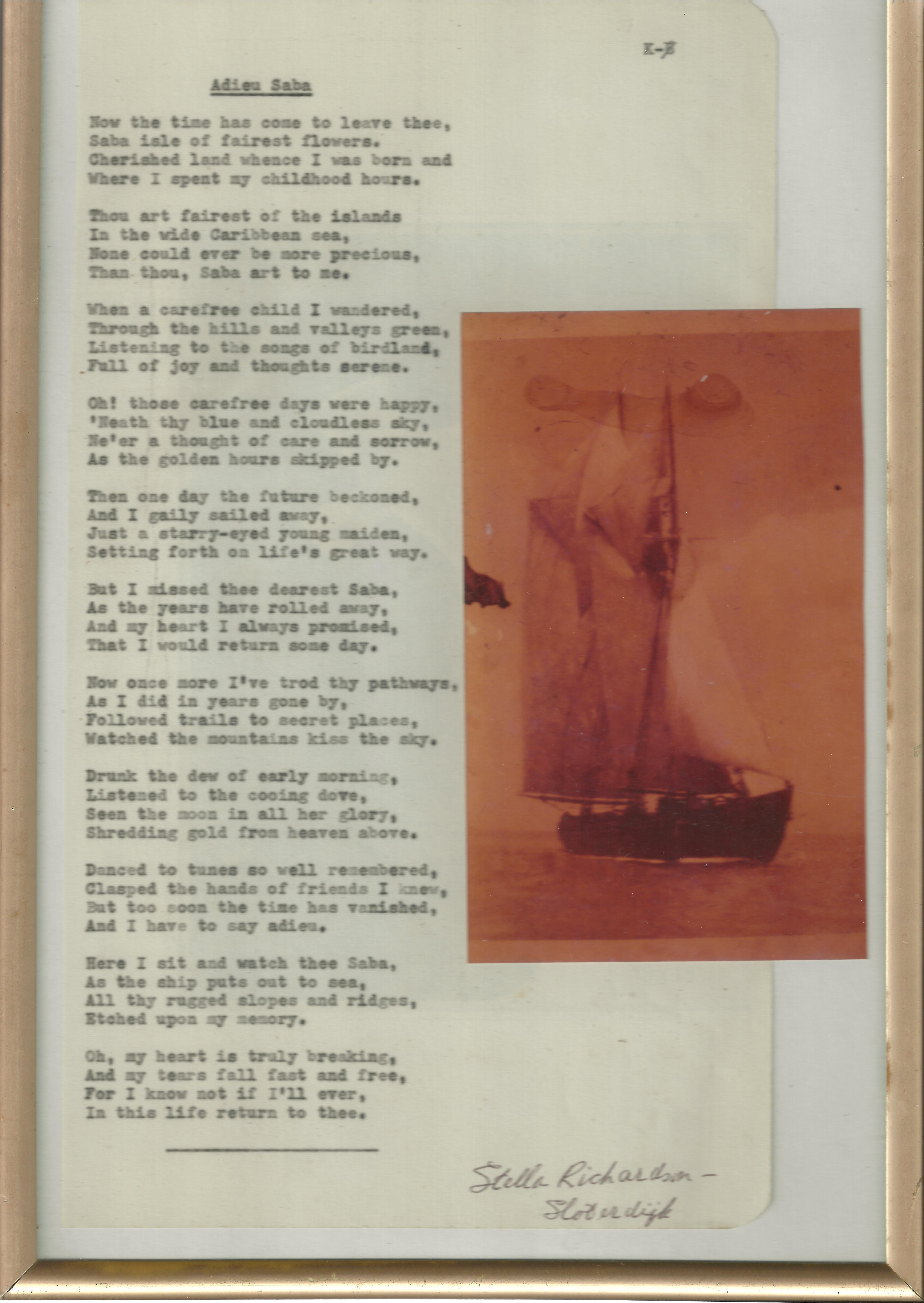
I would like to end this article with a tribute to Estelle Louise Richardson born Sloterdijk (born 16 September 1914 and died 15 December 2000). She was the daughter of a Dutch Police officer Eert Sloterdijk who came to Saba in the early part of the twentieth century and married Orie Hassell. As so many other people did back then the family moved to Aruba. There Stella met her husband Henry Richardson who is a brother of the well known Louie Richardson of French St. Martin.
Stella and Henry moved to the United States. However she never forgot the little island where she was born and visited Saba as often as she could. The following poem was written by her after one of her visits. The poem reminds me of one written by Rosalind Amelia Young (1907) entitled “Pitcairn, Lone Rock of the Sea”. My cousin Estelle Simmons has often told me that she could read not this poem unless she broke into tears.
ADIEU SABA
Now the time has come to leave thee,
Saba isle of fairest flowers.
Cherished land where I was born and
Where I spent my childhood hours.
Thou art fairest of the islands
In the wide Caribbean Sea,
None could ever be more precious,
Than thou, Saba art to me.
When a carefree child I wandered,
Through the hills and valleys green,
Listening to the songs of bird land,
Full of joy and thoughts serene.
Oh! Those carefree days were happy,
‘Neath thy blue and cloudless sky,
Ne’er a thought of care and sorrow,
As the golden hours skipped by.
Then one day the future beckoned,
And I gaily sailed away,
Just a starry-eyed young maiden,
Setting forth on life’s great way.
But I missed thee dearest Saba,
As the years have rolled away,
And my heart I always promised,
That I would return some day.
Now once more I’ve trod thy pathways,
As I did in years gone by,
Followed trails to secret places,
Watched the mountains kiss the sky.
Drunk the dew of early morning,
Listened to the cooing dove,
Seen the moon in all her glory,
Shredding gold from heaven above.
Danced to tunes so well remembered,
Clasped the hands of friends I knew,
But too soon the time has vanished,
And I have to say adieu.
Here I sit and watch thee Saba,
As the ship puts out to sea,
All thy rugged slopes and ridges,
Etched upon my memory.
Oh, my heart is truly breaking,
And my tears fall fast and free,
For I know not if I’ll ever,
In this life return to thee.
Stella Richardson-Sloterdijk


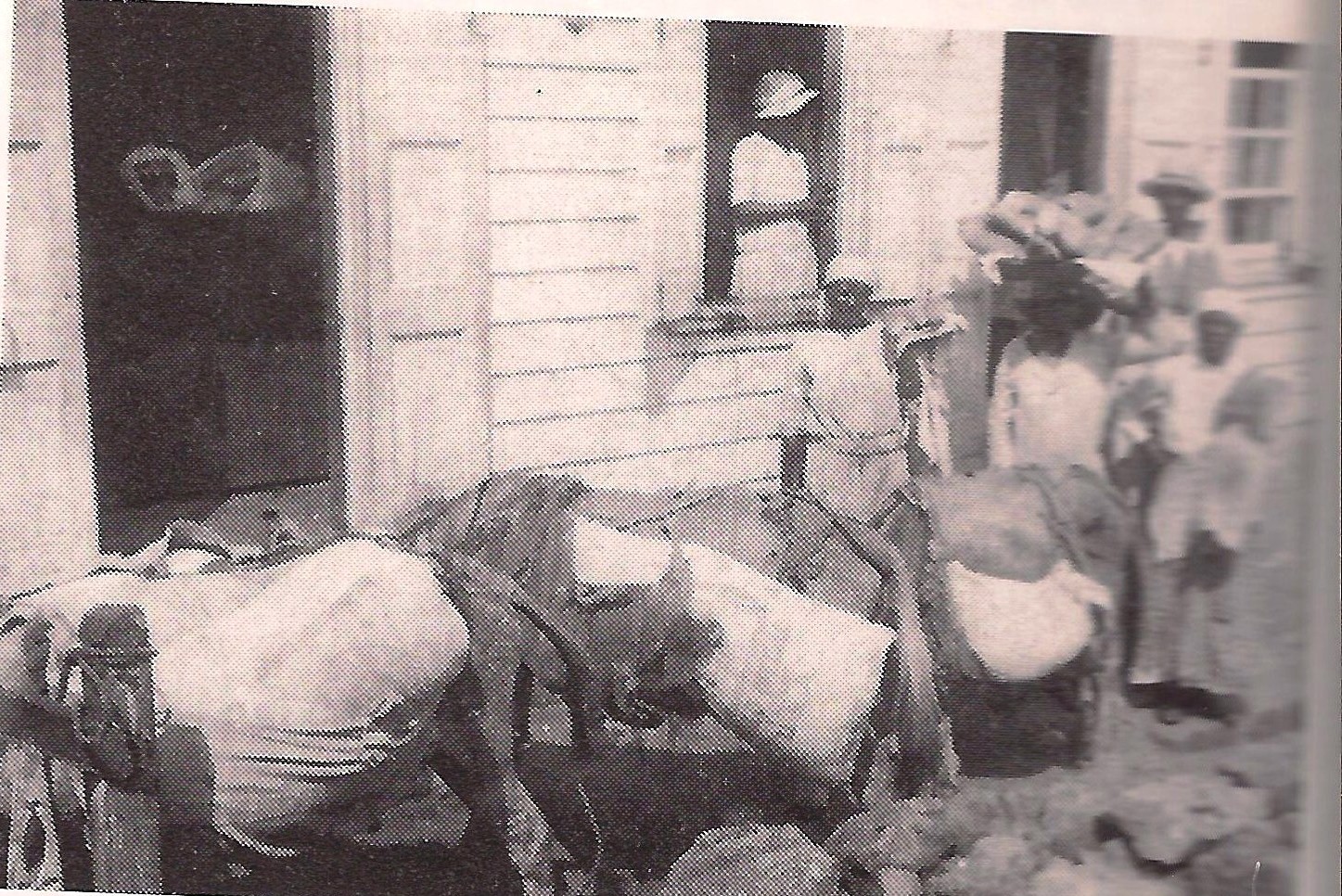
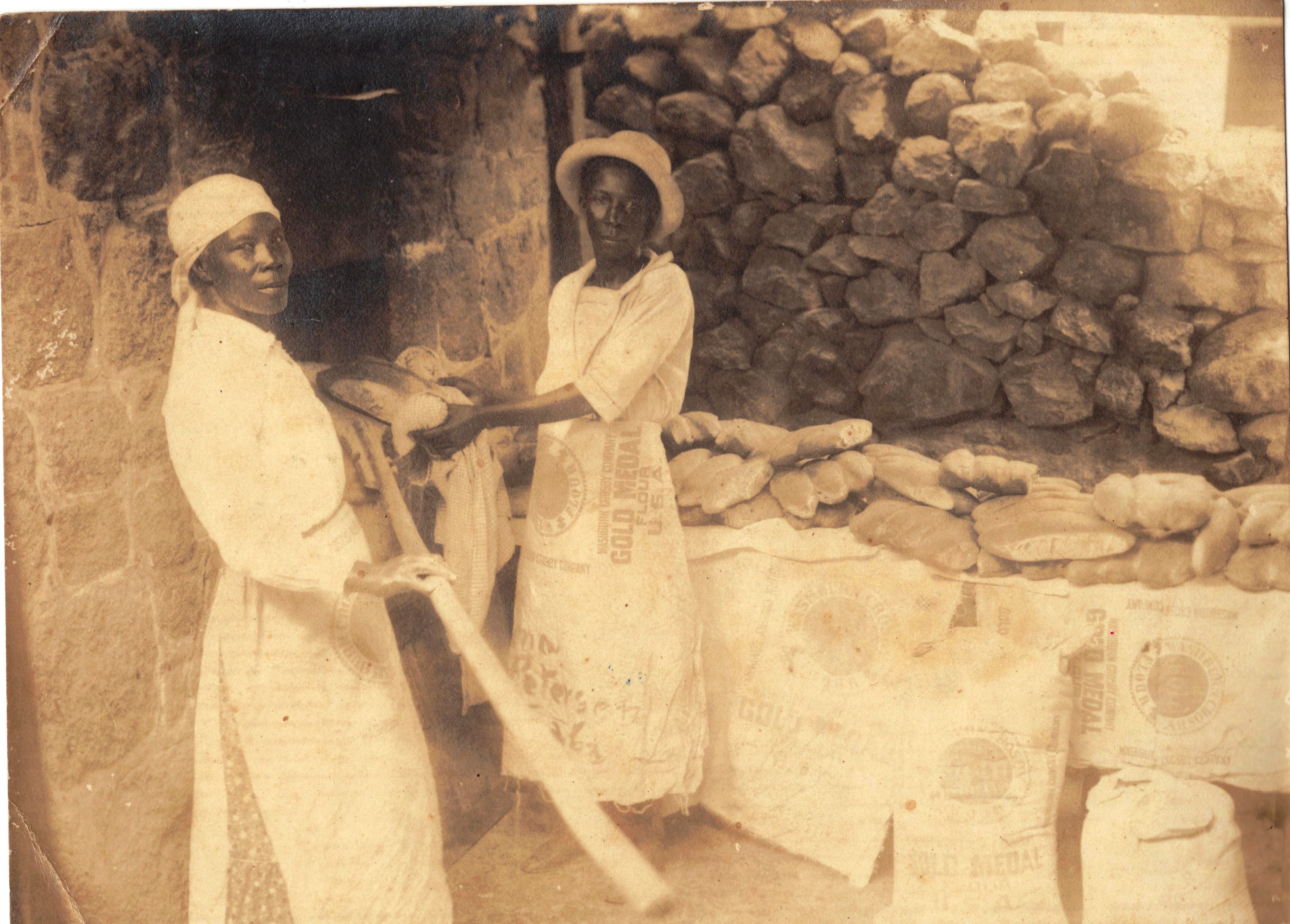
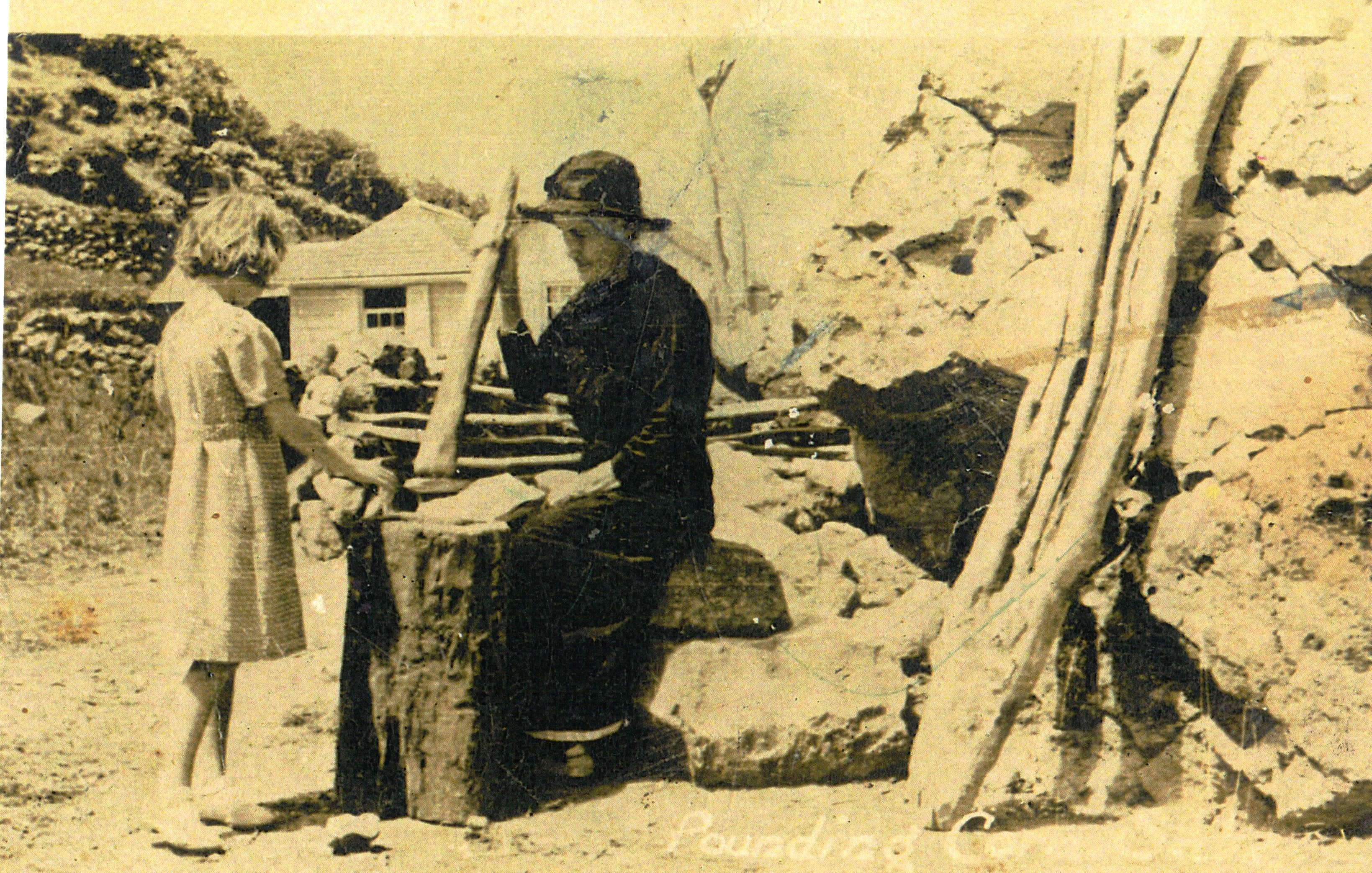
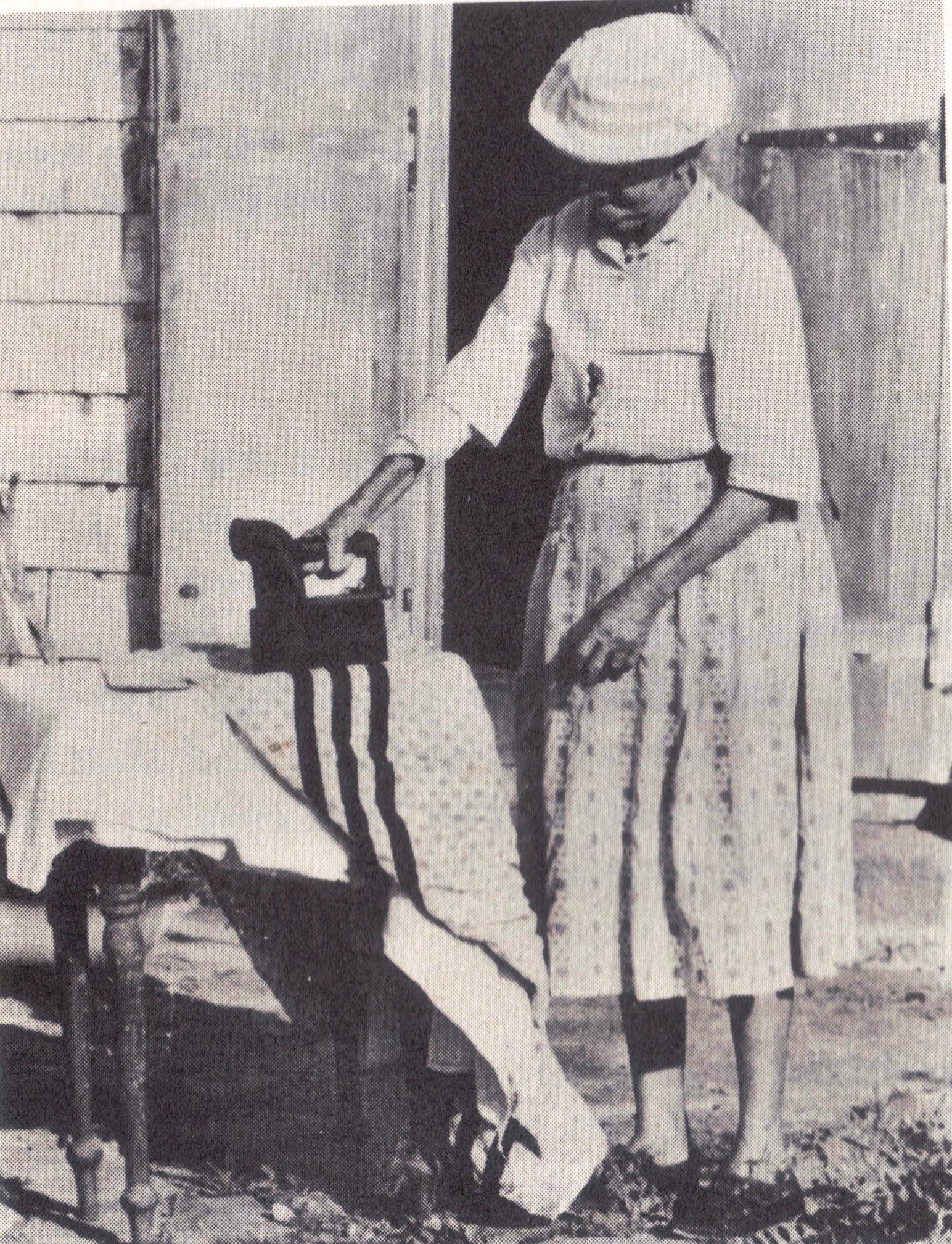
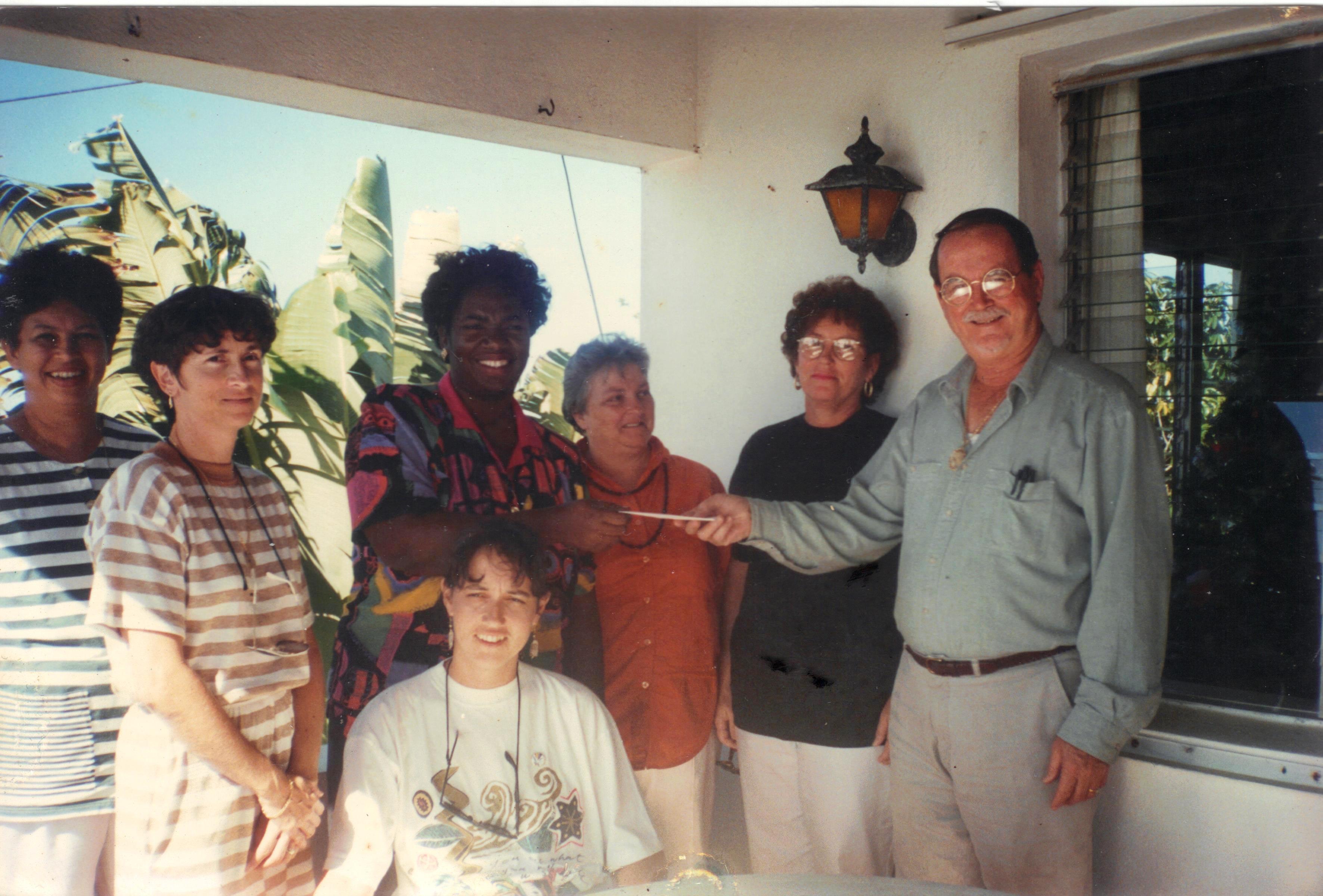
Leaving the island by boat brought up many memories and emotions. The same does not happen when one leaves by plane. Perhaps the next great poem of Saba will be written by one of those adventuresome women who prefer to travel by boat.There were many other women who carried the island through the hard times. They were bakers, planters, Spanish Work makers and served in many important functions. I will post some additional photographs of these women and there will be many more who are only carried in the memories of their families passed down to them through the generations.This article I wrote several years ago and I am recycling it for The Saba Islander so that it can be exposed to a world audience.
*****************************
 THE SABA ISLANDER